
Why Preventive Dental Care Saves You Money in the Long Run
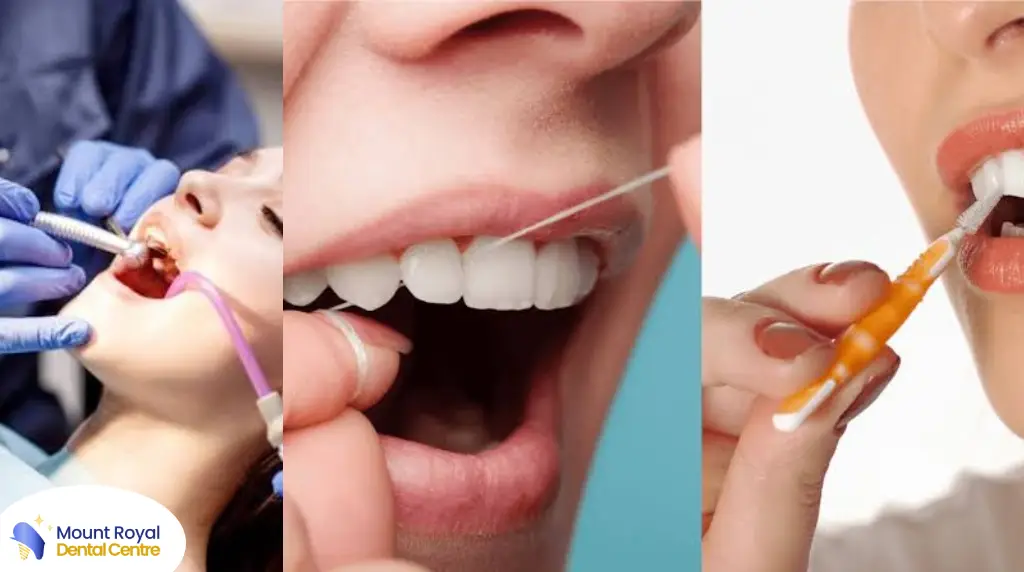
When it comes to dental care, it can be tempting to think of routine checkups and cleanings as expenses that can be postponed. If your teeth feel fine and you are not experiencing pain, you may wonder whether a dental appointment is really necessary.
The reality is that preventive dental care is one of the simplest ways to protect both your oral health and your budget over time.
Regular dental examinations, professional cleanings, good daily oral hygiene, and early treatment can help identify potential problems before they become more complicated. A small cavity may be easier to manage than a severely damaged tooth. Early signs of gum disease may be addressed before they progress. A minor dental concern may sometimes be treated before it develops into an urgent problem requiring more extensive care.
At Mount Royal Dental Centre, preventive dentistry is an important part of long-term dental care. The practice provides preventive care, routine dental examinations, professional dental cleanings, and restorative treatments designed to support lasting oral health.
In this article, we will look at why preventive dental care can save you money in the long run and how making dental care part of your regular routine may help reduce the risk of more complex and costly dental problems.
What Is Preventive Dental Care?
Preventive dental care refers to the steps you take to maintain healthy teeth and gums and reduce the likelihood of developing serious dental problems.
It includes more than simply brushing your teeth twice a day. Depending on your individual needs, preventive care may include:
- Regular dental examinations
- Professional dental cleanings
- Daily brushing and flossing
- Monitoring for cavities and other dental concerns
- Gum health assessments
- Fluoride treatments when appropriate
- Oral hygiene guidance
- Early treatment of developing dental problems
- Maintaining regular dental appointments
Preventive care is based on a simple idea: it is generally easier to manage a dental problem when it is identified early than after it has progressed.
For example, a small cavity may not initially cause noticeable discomfort. If it is detected during a routine examination, your dentist can assess it and recommend appropriate treatment. If the problem is ignored until the tooth becomes significantly damaged or painful, treatment may become more involved.
That does not mean every dental problem can be prevented or that early treatment will always cost less in every individual situation. However, regular preventive care gives your dentist an opportunity to identify potential problems earlier, when treatment options may be simpler.
Due for a Dental Checkup?
Stay ahead of potential dental problems with regular preventive care and professional cleanings. Schedule a visit with our Calgary dental team today.
1. Early Detection Can Mean Simpler Treatment
One of the biggest financial advantages of preventive dental care is early detection.
Many dental problems do not cause obvious symptoms during their early stages. You may not notice a developing cavity, early gum inflammation, or another dental concern until it becomes more advanced.
Routine dental examinations give your dentist an opportunity to look for problems that you may not be able to see or feel yourself.
Consider a cavity as an example.
A small area of tooth decay may be manageable with a relatively straightforward restoration. If decay continues untreated, however, it can progress deeper into the tooth. Depending on the severity, treatment may eventually require more extensive restorative procedures.
The same principle applies to other dental concerns.
Early attention does not guarantee that extensive treatment will never be necessary. But identifying a problem sooner can give you more options and may help prevent the problem from becoming unnecessarily complicated.
From a financial perspective, this matters because delaying treatment does not necessarily make a dental problem disappear. In some cases, it can allow the condition to progress while you continue spending time and money managing the consequences.
2. Regular Dental Cleanings Help Protect Your Smile
Professional dental cleanings are another important part of preventive care.
Even with careful brushing and flossing at home, plaque can accumulate in areas that are difficult to clean thoroughly. Over time, plaque can harden into tartar, which cannot simply be removed with a toothbrush.
Professional cleaning helps remove accumulated deposits and supports better oral hygiene.
Regular cleanings can also give your dental team an opportunity to notice changes in your gums, teeth, or overall oral health.
This can be particularly useful because gum problems can develop gradually. Early gum disease may not always cause significant pain, so waiting until your mouth feels uncomfortable is not necessarily the best way to monitor your gum health.
Mount Royal Dental Centre lists professional dental cleaning and preventive dental care among its services, with the goal of supporting long-term dental health.
3. Preventing Tooth Decay Can Help Avoid More Extensive Dental Work
Tooth decay is one of the most common reasons people eventually need restorative dental treatment.
A tooth that develops decay may initially have no noticeable symptoms. As decay progresses, you may begin experiencing sensitivity, discomfort, or pain. In more advanced cases, the tooth may become significantly weakened.
The cost of treatment can vary depending on the tooth involved, the extent of damage, and the type of treatment required.
This is why preventing decay and identifying it early can be financially sensible.
Preventive care does not mean you will never need a filling, crown, root canal, or other treatment. Teeth can still develop problems even when you take good care of them.
However, regular examinations and good oral hygiene may help reduce avoidable progression and give you the opportunity to address problems earlier.
Think of preventive dentistry as maintaining something valuable.
You would not necessarily wait for your car’s engine to fail before changing the oil. Similarly, you do not have to wait until a tooth hurts before paying attention to your dental health.
4. Healthy Gums May Help You Avoid More Complicated Problems
Your gums are an important part of your overall oral health.
Gum disease can develop when plaque and bacteria accumulate around the teeth and gums. In its early stages, it may cause symptoms such as redness, swelling, or bleeding during brushing or flossing.
Without appropriate care, gum disease can become more advanced.
Advanced gum problems can require more involved treatment and ongoing maintenance. They may also affect the tissues and structures that support your teeth.
Regular dental appointments allow your dental team to monitor your gums and provide recommendations based on your individual oral health.
From a financial standpoint, addressing gum concerns earlier may help reduce the risk of needing more extensive treatment later.
5. Preventive Care Can Help Protect Your Natural Teeth
Your natural teeth are designed to function together for biting, chewing, and speaking.
When a tooth is severely damaged or lost, replacing or restoring it may require more involved dental treatment.
Depending on the situation, options for replacing missing teeth can include dental bridges, dentures, or dental implants. The appropriate option depends on factors such as your oral health, the condition of the surrounding teeth and bone, and your dentist’s assessment.
The best financial strategy is not necessarily to avoid dental treatment altogether. Instead, it is to protect your natural teeth whenever possible through good oral hygiene and appropriate professional care.
Preventive dental care is one part of that approach.
By keeping your teeth and gums healthy, you may reduce the likelihood of avoidable dental problems that can eventually require more extensive restorative treatment.
6. Treating a Dental Emergency Can Be More Stressful and Expensive
Dental emergencies often happen when people least expect them.
A severe toothache, broken tooth, dental infection, or significant dental injury can require prompt attention. In addition to the cost of treatment, an unexpected dental problem can affect your work, sleep, meals, and daily activities.
Preventive care cannot eliminate every dental emergency. Accidents and unexpected problems can happen even to people who maintain excellent oral hygiene.
However, routine examinations can help identify certain issues that might otherwise become urgent.
For example, if your dentist notices a weakened or damaged tooth during a regular appointment, discussing treatment before the tooth breaks may be preferable to waiting for a painful emergency.
Mount Royal Dental Centre provides same-day emergency appointments for urgent dental needs, while also emphasizing preventive care as part of long-term oral health.
7. Delaying Dental Care Can Turn a Small Problem Into a Bigger One
One of the most common mistakes people make is waiting until something hurts.
Pain is an important warning sign, but the absence of pain does not necessarily mean that everything is healthy.
Some dental conditions can progress without producing obvious symptoms. By the time pain develops, the problem may already require more attention.
For example, you might notice a small dark area on a tooth but experience no discomfort. Instead of assuming that it is harmless, a dental examination can help determine what is actually happening.
Similarly, occasional bleeding when brushing may seem insignificant. However, persistent gum bleeding is something worth discussing with a dental professional.
The longer you delay addressing a potential problem, the greater the possibility that additional treatment may eventually be needed.
8. Preventive Dental Visits Help You Plan Your Dental Expenses
Another advantage of preventive care is predictability.
Unexpected dental treatment can be difficult to budget for. A sudden dental emergency may require you to arrange an appointment quickly and determine how you will manage the associated costs.
Routine dental care is generally easier to plan.
When you attend regular examinations, you can discuss your oral health with your dentist and understand whether any treatment is recommended. If treatment is needed, knowing about it earlier may give you more time to plan.
This can be especially helpful when your dental insurance provides coverage for certain preventive or restorative services.
Mount Royal Dental Centre states that it offers direct billing to dental insurance plans and accepts the Canadian Dental Care Plan (CDCP). Coverage and eligibility can vary, so patients should confirm their individual benefits and coverage details with their insurance provider or dental office.
9. Good Home Care Makes Professional Care More Effective
Preventive dentistry does not happen only inside the dental office.
What you do every day matters.
A basic oral hygiene routine should generally include brushing your teeth regularly with fluoride toothpaste and cleaning between your teeth. Your dentist or dental hygienist can provide personalized recommendations based on your oral health.
Small daily habits can make a significant difference over time.
For example, spending a few minutes each day brushing and cleaning between your teeth is considerably easier than dealing with an advanced dental problem that has developed after years of neglect.
Your diet and lifestyle can also influence your oral health. Frequent consumption of sugary foods and drinks, poor oral hygiene, and certain habits may increase the risk of dental problems.
Preventive care works best when professional dental care and daily home care work together.
10. Preventive Care Can Be Particularly Valuable for Children
Starting preventive dental care early can help children develop healthy habits that can continue into adulthood.
Children are still learning how to brush and floss effectively, and parents may need to help them establish consistent routines.
Regular dental visits can also help children become familiar with the dental environment.
Instead of visiting the dentist only when a child has pain, routine appointments can make dental care a normal part of maintaining health.
Early dental visits also give dental professionals opportunities to monitor developing teeth and identify concerns that may need attention.
Building good habits early may help children understand that dental care is not simply something they need when a tooth hurts. It is an ongoing part of taking care of themselves.
11. Preventive Care Supports Long-Term Oral Health
Think beyond the next dental appointment.
The real value of preventive dentistry is its long-term focus.
Your oral health can change throughout your life. Your risk factors, dental history, medications, diet, hygiene habits, and lifestyle can all influence your needs.
Regular appointments allow your dental team to monitor these changes over time.
Instead of treating every dental problem as an isolated event, preventive dentistry focuses on maintaining your oral health over the years.
This long-term approach can potentially reduce the number of avoidable problems you encounter and help you make informed decisions about your dental care.
Stay Ahead of Dental Problems
Regular dental checkups and professional cleanings can help identify potential problems early and support your long-term oral health. Schedule a visit with our Calgary dental team and take a proactive approach to keeping your smile healthy.
How Much Can Preventive Dental Care Actually Save?
There is no single dollar amount that can be applied to everyone.
Dental treatment costs depend on many factors, including the condition of your teeth and gums, the type of treatment required, your insurance coverage, and your individual dental needs.
It would therefore be misleading to promise that preventive dental care will always cost less than restorative treatment.
The more accurate way to look at it is this:
Preventive care may help reduce the risk of problems becoming more complicated, while giving you the opportunity to address dental concerns earlier.
A routine examination or cleaning is an investment in monitoring your oral health. If your dentist finds a problem, treating it before it progresses may sometimes mean a simpler treatment than would be required later.
The financial benefit is therefore not simply about the cost of one cleaning compared with one filling. It is about reducing the possibility of larger, unexpected dental expenses over time.
Signs You Should Not Wait for Your Next Routine Appointment
Although regular preventive appointments are important, you should not necessarily wait for your next scheduled visit if you notice a new dental problem.
Contact your dentist if you experience symptoms such as:
- Persistent tooth pain
- Significant tooth sensitivity
- Swollen or bleeding gums
- A broken or cracked tooth
- Swelling around the face or jaw
- Pain when biting or chewing
- A loose permanent tooth
- Persistent bad breath despite good oral hygiene
- A dental injury
- Changes in the appearance of your teeth or gums
Some symptoms may require prompt evaluation.
If you are experiencing a dental emergency, seeking professional advice sooner rather than attempting to manage the problem yourself can help determine the appropriate next step.
Simple Ways to Make Preventive Dental Care Part of Your Routine
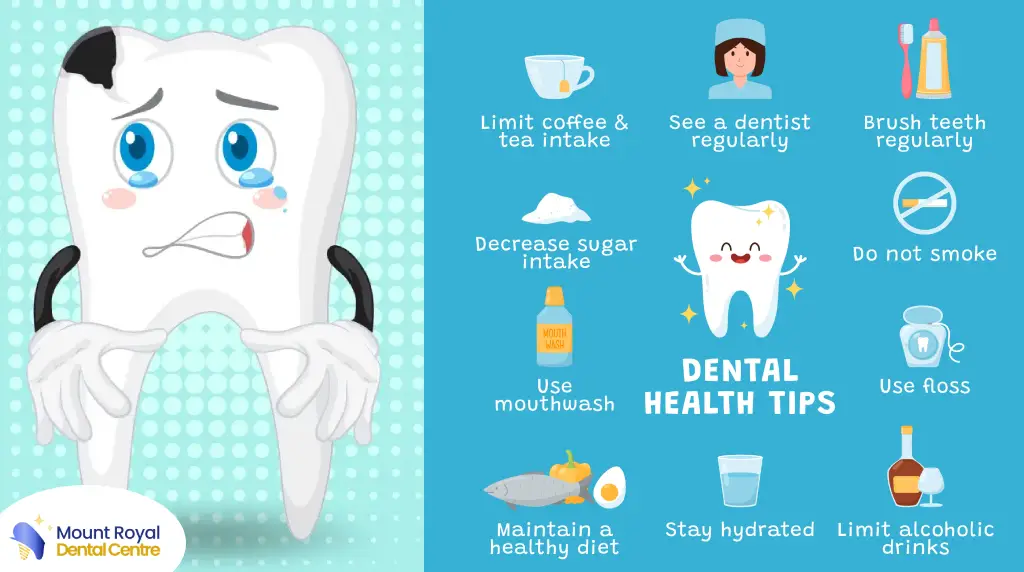
You do not need a complicated routine to start taking better care of your oral health.
Consider these practical habits:
Brush consistently
Brush your teeth regularly using fluoride toothpaste and follow your dental professional’s recommendations for technique and frequency.
Clean between your teeth
Brushing alone does not clean every surface between your teeth. Use floss or another interdental cleaning method recommended for you.
Keep your dental appointments
Routine examinations allow your dentist to monitor your teeth and gums and identify changes that may need attention.
Schedule professional cleanings
Professional cleanings can help remove plaque and tartar that cannot be completely removed through routine brushing.
Pay attention to changes
Do not ignore persistent bleeding, sensitivity, pain, swelling, or other changes in your mouth.
Ask questions
If you are unsure about your oral hygiene routine, diet, sensitivity, or another dental concern, ask your dentist or dental hygienist for guidance.
Address problems early
If your dentist recommends treatment, discuss your options rather than automatically postponing care.
Preventive Dental Care Is an Investment, Not Just Another Expense
It is understandable to look at a dental appointment as another bill.
But preventive dental care is better viewed as an investment in your future oral health.
A regular examination may take only a small amount of time. A professional cleaning may help maintain healthier teeth and gums. Early detection may give you the opportunity to address a problem before it becomes more complicated.
None of these steps can guarantee that you will never need extensive dental treatment. Even people who brush, floss, and attend regular appointments can experience cavities, gum disease, dental injuries, or other oral health problems.
The goal of preventive care is not perfection.
The goal is early detection, ongoing maintenance, and informed dental decisions.
When you consistently take care of your teeth and gums, you are not only protecting your smile today. You are also taking steps that may help reduce avoidable dental complications in the future.
Make Preventive Dental Care Part of Your Long-Term Plan
Your oral health deserves attention even when nothing hurts.
Regular dental examinations, professional cleanings, good home care, and timely treatment can all play a role in maintaining healthy teeth and gums. More importantly, preventive care gives you the opportunity to understand what is happening with your oral health before a small concern potentially becomes a larger one.
At Mount Royal Dental Centre, preventive dental care is part of a broader approach to long-term oral health. The Calgary practice offers routine dental care, professional cleanings, preventive services, restorative treatments, and emergency dental care, with appointments available seven days a week.
If it has been a while since your last dental examination, consider making an appointment rather than waiting for pain to make the decision for you.
Taking care of your teeth today may help you avoid more complicated dental problems tomorrow.
Frequently Asked Questions
How often should I visit the dentist for preventive care?
Can preventive dental care completely prevent cavities?
Is professional dental cleaning really necessary if I brush and floss?
Does dental insurance cover preventive care?
What happens if I wait until my tooth hurts?
Is preventive dentistry only for adults?
Can preventive dental care save me money?
Protect Your Smile Before Problems Start
The best time to think about preventive dental care is not necessarily when you have a toothache. It is before a dental problem becomes an emergency.
By combining regular dental visits with professional cleanings and consistent home care, you can take a proactive approach to your oral health.
And while no dental routine can eliminate every possible problem, preventive care can give you something valuable: the opportunity to identify and address concerns before they have more time to develop.
If you are due for a dental examination or cleaning, Mount Royal Dental Centre can help you take the next step toward maintaining a healthy smile for the long term.
Table of Contents
