
What Happens During a Professional Dental Cleaning?
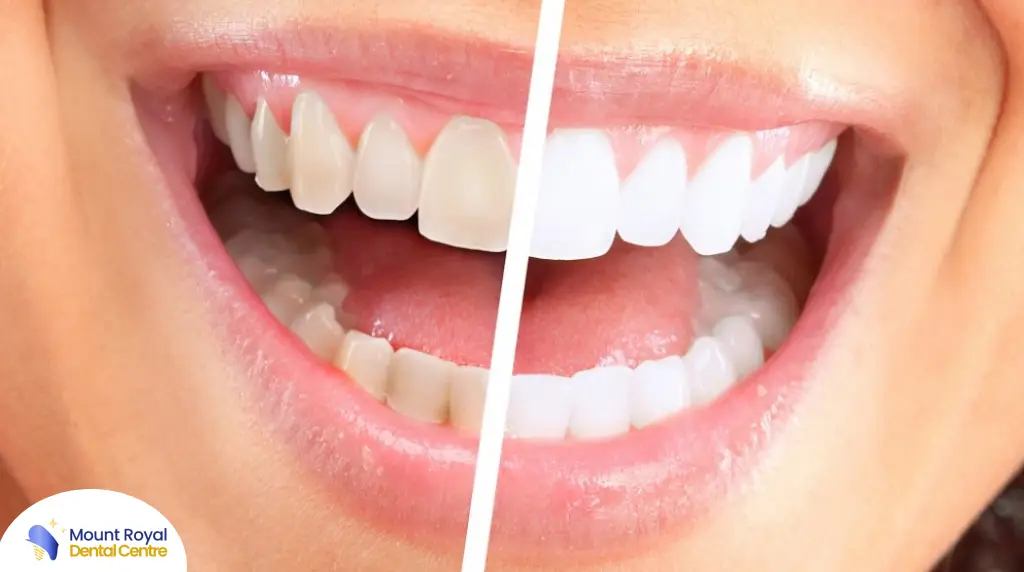
A professional dental cleaning is one of the simplest and most important ways to protect your teeth and gums. Even if you brush twice a day and clean between your teeth regularly, plaque and tartar can still accumulate in areas that are difficult to reach at home. Over time, this buildup can contribute to tooth decay, gum inflammation, bad breath, and gum disease.
Many people know they should schedule regular dental cleanings, but may not know exactly what happens once they sit in the dental chair. Is the procedure painful? How long does it take? Will the dentist remove stains? Is polishing necessary? What is the difference between a regular cleaning and a deep cleaning?
Understanding what happens during a professional dental cleaning can make your appointment more comfortable and help you feel more prepared.
At Mount Royal Dental Centre, routine dental cleanings are part of preventive dental care designed to help maintain healthy teeth and gums while identifying potential problems early. A typical cleaning may include an examination of your teeth and gums, removal of plaque and tartar, polishing, flossing, and personalized oral hygiene recommendations.
What Is a Professional Dental Cleaning?
A professional dental cleaning, sometimes called dental prophylaxis, is a preventive procedure performed by a dental professional to remove plaque, tartar, and certain surface stains from your teeth.
Plaque is a sticky film containing bacteria that constantly forms on your teeth. When plaque is not adequately removed through brushing and cleaning between the teeth, it can harden into tartar, also called calculus. Unlike soft plaque, tartar cannot simply be brushed away at home and generally requires professional instruments for removal.
A professional cleaning allows your dental team to clean areas that may be difficult to reach with a toothbrush or interdental cleaner. It can also give your dentist an opportunity to identify signs of cavities, gum inflammation, worn dental restorations, or other oral health concerns.
A routine cleaning is different from a deep cleaning. A regular cleaning generally focuses on plaque and tartar on the visible surfaces of the teeth and around the gumline. A deep cleaning, also known as scaling and root planing, is a treatment used when gum disease has caused deeper pockets around the teeth. It involves cleaning below the gumline and smoothing the tooth roots.
Why Do You Need a Professional Dental Cleaning?
Brushing and cleaning between your teeth at home are essential, but they cannot always remove every deposit.
Plaque can collect:
- Along the gumline
- Between teeth
- Behind the back teeth
- Around dental fillings and crowns
- Around orthodontic appliances
- In other areas that are difficult to reach
If plaque remains on the teeth, it can harden into tartar. Tartar can make maintaining good oral hygiene more difficult and may contribute to gum inflammation.
The American Dental Association recommends brushing twice a day with fluoride toothpaste and cleaning between the teeth daily. Interdental cleaning helps remove plaque and debris from areas that a toothbrush cannot effectively reach.
Professional cleaning complements, rather than replaces, your daily oral hygiene routine.

What Happens During a Professional Dental Cleaning?
Although every appointment is individualized, a routine professional dental cleaning commonly follows several steps.
1. Your Dental Team Reviews Your Oral Health
Before the actual cleaning begins, your dental professional may review your dental and medical history and ask whether you have noticed any changes or concerns.
You may be asked about:
- Tooth sensitivity
- Bleeding gums
- Tooth pain
- Bad breath
- Changes in your bite
- Sensitivity to hot or cold foods
- Recent dental treatment
- Medications or health conditions that may affect dental care
It is important to tell your dental team about anything that has changed since your previous visit.
For example, if your gums have recently started bleeding when you brush, you have developed tooth sensitivity, or a particular tooth feels uncomfortable, mentioning it allows your dental team to pay closer attention to that area.
2. Your Teeth and Gums Are Examined
Before or during the cleaning, your dental professional will examine your mouth.
They may look for:
- Plaque buildup
- Tartar deposits
- Red or swollen gums
- Gum bleeding
- Signs of tooth decay
- Tooth sensitivity
- Damaged or worn fillings
- Issues around crowns or bridges
- Other changes in the mouth
A dental examination is important because a cleaning appointment is not only about making your teeth feel cleaner. It is also an opportunity to monitor your oral health.
Depending on your individual situation, your dentist may recommend dental X-rays or other diagnostic procedures. X-rays are not necessarily required at every cleaning and are generally recommended based on your dental history, symptoms, risk factors, and clinical needs.
3. Plaque and Tartar Are Removed
One of the main parts of a professional dental cleaning is scaling.
During scaling, a dental professional uses specialized instruments to remove plaque and hardened tartar from the tooth surfaces.
You may hear scraping or tapping sounds during this stage. Some people experience mild sensitivity, particularly if they have sensitive teeth or significant buildup, but routine cleanings are generally well tolerated.
Tartar is firmly attached to the tooth and cannot be removed effectively with ordinary brushing. Professional scaling allows your dental professional to remove deposits from areas that are difficult to clean at home.
Depending on the amount and location of buildup, your dental professional may use different instruments during the cleaning.
The goal is to remove deposits carefully while protecting your teeth and gums.
4. Your Gumline Receives Special Attention
The gumline is an important part of a dental cleaning because plaque can accumulate where the teeth and gums meet.
Healthy gums generally appear firm and do not typically bleed during routine brushing or cleaning. Redness, swelling, tenderness, or bleeding can be signs of inflammation and may require additional evaluation.
Your dental professional may assess your gums for signs of gingivitis or periodontal disease.
Gingivitis is an early form of gum disease associated with inflammation of the gums. If gum disease progresses, the tissues and bone supporting the teeth can become affected.
Regular dental visits can help identify changes in gum health before they become more advanced.
If your dentist identifies deeper gum pockets or signs of periodontal disease, a routine cleaning may not be sufficient. In such cases, scaling and root planing may be recommended.
Dental Problems?
Regular dental checkups and professional cleanings can help identify potential problems early and support your long-term oral health. Schedule a visit with our Calgary dental team and take a proactive approach to keeping your smile healthy.
What Is the Difference Between Regular Cleaning and Deep Cleaning?
The terms “regular cleaning” and “deep cleaning” are sometimes used interchangeably by patients, but they are not the same procedure.
A routine professional cleaning generally focuses on removing plaque and tartar from tooth surfaces and around the gumline.
A deep cleaning, or scaling and root planing, is a periodontal treatment used when gum disease has progressed and bacteria and tartar are present below the gumline.
During scaling and root planing, the dental professional cleans below the gumline and smooths the tooth roots. This can require more than one appointment and may involve local anesthesia depending on the circumstances.
Your dentist will determine which type of cleaning is appropriate based on your oral health.
5. Your Teeth Are Polished
After plaque and tartar have been removed, your teeth may be polished.
Dental polishing uses a specialized instrument and polishing material to clean the outer surfaces of the teeth and remove certain surface stains and remaining deposits.
The polishing tool may feel similar to a small electric toothbrush. You may hear a buzzing sound as the professional moves it across the surfaces of your teeth.
Polishing is usually quick and is generally comfortable.
It also leaves your teeth feeling smoother. Many patients notice that their teeth feel particularly clean and smooth when they run their tongue over them after an appointment.
It is important to understand that professional polishing is not the same as professional teeth whitening. A cleaning can remove certain external stains and buildup, but it does not necessarily change the natural color of your teeth.
If you are interested in making your teeth noticeably whiter, talk with your dentist about whether professional teeth whitening is appropriate for you.
6. Your Teeth Are Flossed or Cleaned Between the Teeth
Your dental professional may floss between your teeth after the main cleaning.
This step helps remove remaining debris and allows the dental professional to check areas between the teeth and around the gumline.
Cleaning between teeth is an important part of daily oral hygiene because toothbrush bristles cannot adequately reach every surface between tightly spaced teeth. The ADA recommends cleaning between your teeth once a day using floss or another suitable interdental cleaner.
Your dental professional may also demonstrate techniques or recommend a particular type of interdental cleaner based on the spacing between your teeth, dental restorations, orthodontic appliances, or gum health.
7. Fluoride May Be Recommended
Depending on your individual needs, your dentist may recommend a professional fluoride treatment after cleaning.
Fluoride helps strengthen tooth enamel and can make teeth more resistant to acid attacks associated with tooth decay. Professional fluoride treatments can be provided in different forms, including gels, foams, rinses, or varnishes.
Fluoride treatment may be particularly useful for people who have an increased risk of tooth decay.
Your dentist can determine whether fluoride treatment is appropriate based on your oral health and risk factors.
8. Your Dentist Discusses Your Oral Health
After your cleaning, your dentist may review the findings with you.
This discussion can include:
- Areas where plaque tends to accumulate
- Gum health
- Existing cavities or areas of concern
- Tooth sensitivity
- Recommended brushing techniques
- Interdental cleaning
- Fluoride use
- Dietary factors affecting oral health
- Recommended follow-up appointments
This is also a good time to ask questions.
If you are unsure whether you are brushing correctly, having difficulty cleaning around a bridge, or experiencing bleeding while flossing, let your dental team know.
Small adjustments to your daily routine can make a significant difference over time.
How Long Does a Professional Dental Cleaning Take?
The length of a dental cleaning varies depending on your oral health and the amount of plaque and tartar present.
At Mount Royal Dental Centre, routine dental cleanings typically take about 30 to 60 minutes, although the exact appointment length can vary from patient to patient.
A person with relatively little buildup may have a shorter appointment, while someone with significant tartar accumulation or gum concerns may require more time.
A deep cleaning may take longer and can require multiple appointments depending on the severity and extent of gum disease.
Is a Professional Dental Cleaning Painful?
For most people, a routine dental cleaning is comfortable and causes little or no discomfort.
However, you may experience some sensitivity during the cleaning if:
- Your teeth are naturally sensitive
- You have inflamed gums
- You have significant tartar buildup
- Your gums bleed easily
- Your teeth have exposed root surfaces
- You have gum disease
If you experience discomfort during your cleaning, tell your dental professional.
There is no reason to silently tolerate pain. Your dental team can adjust the technique, take a break, or discuss ways to make the appointment more comfortable.
If you have dental anxiety, it is also helpful to mention it before treatment begins.
What Does a Dental Cleaning Feel Like?
Patients often describe different parts of a cleaning differently.
During scaling, you may feel pressure or vibration as tartar is removed. You may also hear scraping sounds.
During polishing, the instrument may feel like a small rotating brush moving across your teeth.
Flossing can create some pressure between the teeth, particularly when your gums are inflamed.
Afterward, your teeth may feel unusually smooth and your mouth may feel fresher.
Some people experience temporary sensitivity after a cleaning, especially when there was significant tartar buildup or gum inflammation.
Can Dental Cleaning Remove Yellow Teeth?
A professional cleaning can remove plaque, tartar, and some external stains caused by foods and beverages.
However, it does not necessarily make naturally darker or yellowish teeth white.
Tooth color can be influenced by several factors, including genetics, age, enamel thickness, and certain foods and drinks.
If your teeth still appear darker after a professional cleaning, your dentist can discuss cosmetic options such as professional teeth whitening if you are a suitable candidate.
Cleaning and whitening serve different purposes.
Dental cleaning focuses on oral health and removing buildup.
Teeth whitening focuses on changing the appearance of tooth color.
What Happens After a Professional Dental Cleaning?
Most people can return to their normal routine after a routine dental cleaning.
Your teeth may feel smoother and cleaner immediately afterward.
If you have sensitive teeth, you may notice temporary sensitivity to cold foods or drinks. Your dental team can provide personalized advice if sensitivity is an issue.
If you received additional treatment, such as a deep cleaning, your aftercare instructions may be different.
After scaling and root planing, for example, some patients may experience temporary gum tenderness, swelling, bleeding, or tooth sensitivity. The ADA notes that sensitivity can last for several days following deep cleaning.
Follow the specific instructions provided by your dental professional.
How Often Should You Get a Professional Dental Cleaning?
There is no single schedule that is ideal for every person.
Many people have routine dental examinations and cleanings approximately every six months. However, your dentist may recommend a different interval based on your oral health and risk of dental disease. Mount Royal Dental Centre notes that many patients have checkups and cleanings every six months.
You may need more frequent dental visits if you have:
- A history of gum disease
- Frequent cavities
- Significant tartar buildup
- Certain dental restorations
- Orthodontic appliances
- Difficulty maintaining plaque control
- Other individual risk factors
Your dentist can recommend an appropriate schedule for you.
Can You Avoid Professional Dental Cleanings If You Brush and Floss?
Daily brushing and interdental cleaning are essential, but they do not completely replace professional dental care.
Even people who maintain excellent oral hygiene can develop tartar in areas that are difficult to reach.
Once plaque hardens into tartar, it cannot simply be brushed away with a toothbrush. Professional instruments are needed to remove it safely.
Professional dental appointments also provide an opportunity for your dental team to assess your teeth and gums and identify potential problems.
Think of your home routine and professional cleanings as two parts of the same preventive strategy.
Your Home Routine
Your daily routine should include:
- Brushing twice a day with fluoride toothpaste
- Cleaning between your teeth once a day
- Maintaining good dietary habits
- Following personalized recommendations from your dentist
The ADA recommends brushing twice daily with fluoride toothpaste and cleaning between teeth daily.
Professional Dental Care
During professional visits, your dental team can:
- Remove hardened tartar
- Clean difficult-to-reach areas
- Assess your gums
- Check for dental problems
- Monitor changes over time
- Provide personalized preventive recommendations
Together, these habits help support long-term oral health.
What Should You Do Before a Dental Cleaning?
You generally do not need extensive preparation for a routine cleaning.
However, a few simple steps can make your appointment easier.
Continue Your Normal Oral Hygiene Routine
Brush your teeth as you normally would before your appointment.
You do not need to brush excessively or try to remove every trace of plaque before visiting the dentist.
Your dental team expects to see areas where plaque and tartar have accumulated because identifying and removing those deposits is part of the purpose of the appointment.
Make a List of Questions
If you have concerns about your teeth or gums, write them down before your appointment.
For example:
- Why do my gums bleed when I floss?
- Why are my teeth sensitive?
- Do I need to floss differently?
- How often should I have my teeth cleaned?
- Do I need fluoride treatment?
- Why do I keep getting tartar in the same area?
- Do I need a deep cleaning?
Having questions ready can help you make the most of your appointment.
Tell Your Dentist About Changes in Your Health
Make sure your dental team knows about relevant changes to your medical history, medications, allergies, or dental history.
This information can help your dental team plan appropriate care.
What If Your Gums Bleed During a Cleaning?
Bleeding gums can occur when the gums are inflamed.
Plaque accumulation along the gumline can contribute to gingivitis, which may cause gums to become red, swollen, or prone to bleeding.
Bleeding during a cleaning does not necessarily mean that the cleaning has damaged your gums. Instead, it can be a sign that your gums need better plaque control or further evaluation.
If your gums regularly bleed when brushing or cleaning between your teeth, talk to your dentist rather than simply avoiding those areas.
Does a Professional Cleaning Help With Bad Breath?
Professional cleaning can help reduce one potential source of bad breath by removing plaque, tartar, and debris that can accumulate around the teeth and gumline.
However, persistent bad breath can have many possible causes.
It may be related to:
- Poor oral hygiene
- Gum disease
- Certain foods
- Dry mouth
- Dental infections
- Other oral or medical conditions
If bad breath continues despite good oral hygiene and regular dental care, discuss it with your dentist so the underlying cause can be evaluated.
Why Regular Dental Cleanings Matter for Gum Health
One of the most important benefits of professional cleaning is supporting gum health.
Plaque contains bacteria. When plaque remains along the gumline, it can contribute to inflammation.
If gum disease progresses, deeper pockets can develop around the teeth, allowing plaque and tartar to accumulate below the gumline.
At that point, routine cleaning may no longer be sufficient, and periodontal treatment such as scaling and root planing may be recommended.
Regular professional care allows your dentist to monitor your gum health and determine whether additional treatment is necessary.
Professional Dental Cleaning Is About More Than a Cleaner Smile
It is easy to think of a dental cleaning as simply a way to make your teeth feel fresh and polished.
But professional cleaning serves a much broader purpose.
It can help:
- Remove hardened tartar
- Control plaque buildup
- Support healthy gums
- Reduce certain surface stains
- Support fresher breath
- Monitor changes in your oral health
- Reinforce good home-care habits
- Identify concerns that may require further treatment
Regular preventive care can also help you address dental problems before they become more complicated.
How to Maintain Your Teeth Between Professional Cleanings
The work you do at home is just as important as your professional cleaning appointments.
Brush Twice a Day
Brush your teeth twice a day for approximately two minutes using fluoride toothpaste. The ADA recommends this as part of routine home oral care.
Use gentle pressure rather than aggressively scrubbing your teeth.
Clean Between Your Teeth Daily
Floss or use another interdental cleaner once a day.
If traditional floss is difficult to use, ask your dental professional about alternatives such as interdental brushes or water flossers.
The most suitable option can depend on your tooth spacing, gum health, dental restorations, and personal preference.
Pay Attention to Your Gums
If you notice persistent bleeding, swelling, redness, tenderness, or changes around your gums, contact your dental office.
Do not wait for your next routine cleaning if you are experiencing significant symptoms.
Keep Your Dental Appointments
Even when your teeth feel fine, maintaining regular dental visits is important.
Some dental problems may not cause noticeable symptoms during their early stages. Regular examinations allow your dental team to monitor your oral health and recommend treatment when appropriate.
Frequently Asked Questions
How long does a professional dental cleaning take?
Is dental cleaning painful?
Does a dental cleaning remove tartar?
Does dental cleaning whiten teeth?
What is the difference between regular cleaning and deep cleaning?
How often should I have my teeth professionally cleaned?
Can I brush and floss instead of getting professional cleanings?
Why do my gums bleed during cleaning?
Should I get a dental cleaning if my teeth feel healthy?
Keep Your Smile Healthy With Preventive Dental Care
A professional dental cleaning is a straightforward preventive procedure, but it plays an important role in maintaining your oral health.
During a typical appointment, your dental team may examine your teeth and gums, remove plaque and tartar, polish your teeth, clean between them, provide fluoride when appropriate, and discuss ways to improve your home-care routine.
The process is usually quick and comfortable, and regular cleanings can help keep your teeth and gums in better condition between dental visits.
Most importantly, professional cleaning should work together with daily oral hygiene. Brushing twice a day with fluoride toothpaste, cleaning between your teeth every day, maintaining healthy habits, and visiting your dentist according to your recommended schedule all contribute to long-term oral health.
If it has been a while since your last dental cleaning, or if you have concerns about plaque, tartar, bleeding gums, sensitivity, or bad breath, consider scheduling an appointment with Mount Royal Dental Centre. A professional evaluation can help determine what your teeth and gums need and whether a routine cleaning or additional treatment is appropriate.
Table of Contents
